Exploring the Advantages of Peptides: Your Roadmap to Optimized Wellness
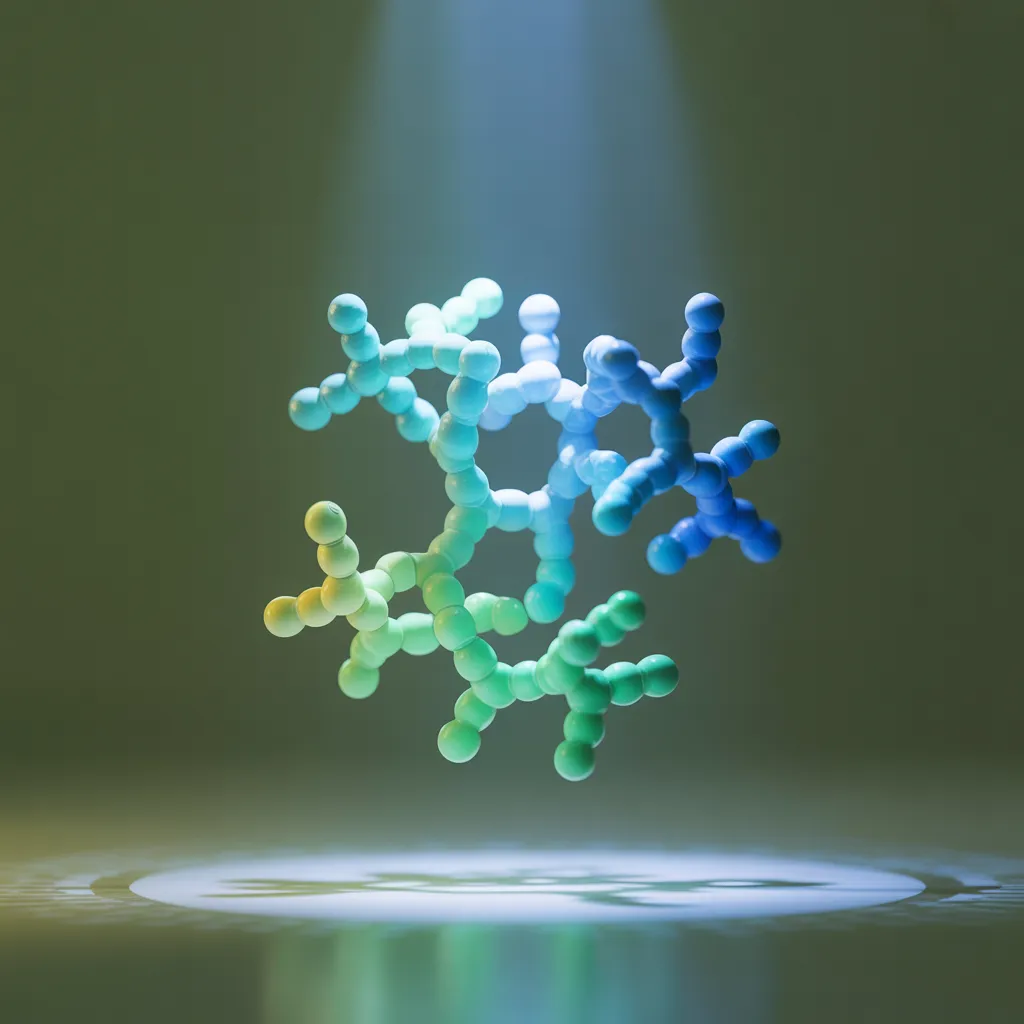
Peptides, important amino acid polymers, have received attention for their significant role to promoting wellness. These biological agents facilitate communication within cells and modify various bodily functions. Grasping how peptides operate can reveal their therapeutic potential. However, the complexities surrounding their use demand careful consideration. As individuals and researchers explore these avenues, awareness of both advantages and risks is paramount. What distinct mechanisms can peptides modify, and how might they transform health outcomes?
Protein Fragments - What Do They Do?
Peptides consist of brief sequences of protein units that execute critical functions in multiple physiological activities. These molecules, typically consisting of 2 to 50 amino acids, represent the structural foundations of proteins and are vital for cellular functions. They can function as chemical messengers, facilitating communication between cells, and influencing numerous physiological activities.
Naturally occurring in the body, peptides are involved in hormonal synthesis, immune responses, and tissue repair. Their distinctive arrangements establish specific functions, allowing them to participate in various biological activities, such as metabolic function and developmental regulation.
Peptides, beyond their natural roles, can be created for medical purposes, offering possible advantages in fields like muscle growth, weight control, and age-defying solutions. With continuous investigation, comprehension of peptides continues to expand, emphasizing their significance in well-being and vitality. This intricacy stresses the necessity of peptides in preserving overall biological balance and enhancing bodily health.
How Do Peptides Operate?
Peptides operate through specific mechanisms of action that shape cellular processes and signaling pathways. Different peptide forms focus on specific wellness gains, ranging from muscle growth to immune support. Recognizing these dynamics is essential for realizing their benefits in enhancing overall wellness.
How It Functions
Through utilizing the potential of amino acids, peptides work as signaling agents that promote diverse physiological processes in the body. They latch onto defined receptors on cell surfaces, sparking a sequence of molecular interactions. This engagement can shape cellular activities such as metabolism, immunological reactions, and cellular restoration. By imitating or boosting the action of hormones and developmental factors, peptides can control processes like amino acid assembly and cellular growth. Besides this, they can reduce inflammatory responses and facilitate recovery by stimulating the discharge of certain molecular messengers. Their selective mechanism allows for individualized treatment strategies, establishing them as vital in multiple therapeutic and wellness contexts. Ultimately, peptides maintain a vital purpose in sustaining internal balance and enhancing physiological performance.
Polypeptide Categories
A broad variety of peptides are found, each performing distinct tasks inside the body. These compounds can be classified into various types based on their duties. Signaling peptides play vital roles in signaling between cells, while transport peptides support the transfer of ions and nutrients across cell membranes. Antimicrobial peptides serve as protectors against pathogens, enhancing immune response. Hormonal peptides, such as insulin, modulate metabolic functions, influencing growth and energy use. Furthermore, neuropeptides are engaged in transmitting nervous system signals, modulating mood and pain perception. Each peptide type is fundamental to maintaining homeostasis, demonstrating the complexity and importance of these short amino acid strands in overall health and biological functions.
Targeted Health Advantages
The intricate mechanisms of peptides enable them to provide targeted health benefits across multiple essential guide bodily functions. By functioning as cellular messengers, peptides can influence cellular processes, promoting processes such as tissue repair, immune system function, and hormonal balance. Specific peptides, like insulin, directly regulate blood sugar processing, while others facilitate muscular development and recuperation through mechanisms like enhanced protein creation. Furthermore, peptides can improve dermal wellness by promoting collagen generation, thus improving flexibility and decreasing signs of aging. Their capacity to attach to targeted receptor sites enables accurate targeting, reducing side effects commonly linked to general treatment options. Overall, peptides serve as a versatile tool in modern wellness, offering tailored interventions that address personal wellness requirements effectively.
How Peptides Boost Your Health and Wellness
Individuals looking for innovative solutions to enhance their health and wellness, peptides have come forward as robust biological molecules that offer an array of benefits. These short chains of amino acids hold an vital role in different physiological processes, helping to improve improved bodily functions. Research demonstrates that peptides can enhance immune function, advance tissue repair, and enhance cognitive performance.
Furthermore, protein fragments have been shown to aid the balancing of metabolism and endocrine health, contributing to effective weight management and heightened energy levels. Their capacity to stimulate collagen production can help improve skin elasticity and minimize signs of aging.
With a diverse array of peptides accessible, persons can arguably adjust their wellness strategies to address specific health concerns, from inflammatory conditions to stress relief. Overall, the inclusion of peptides into health regimens provides a beneficial pathway for those looking for overall advancement in their health.
How to Utilize Peptide compounds for Muscle Recovery
Peptides serve as essential components in muscle recovery by offering various types tailored to specific needs. Understanding the appropriate dosage and administration methods is crucial for enhancing their effectiveness. Additionally, timing the intake of these peptides can markedly influence recuperation results.
Specific Variants Of Recovery Peptides
Recovery peptides play an essential role in optimizing muscle repair and enhancing performance. A variety of recovery peptides are known for their particular benefits. For example, BPC-157 is recognized for its tissue repair properties, aiding faster healing from injuries. TB-500, another important peptide, helps muscle regeneration and reduces inflammation, facilitating faster recovery post-exercise. Collagen peptides also aid by supporting joint health and strengthening overall connective tissue resilience. Additionally, IGF-1 (Insulin-like Growth Factor 1) stimulates muscle growth and supports recovery by enhancing protein synthesis. Each of these peptides targets various aspects of recovery, making them valuable tools for athletes and fitness enthusiasts wanting to improve their performance and accelerate healing.
Dosage And Administration Guidelines
Assessing the suitable dosage and application of recovery peptides is necessary to fully harness their benefits. It’s best to seek advice from medical advisors for custom recommendations, as individual needs differ depending on body weight, physical activity, and recovery targets. In general, the dosage ranges between 1 and 5 milligrams per day, divided over multiple doses. Subcutaneous injections is the most frequent approach, guaranteeing effective absorption. Following the manufacturer's instructions concerning preparation and storage of peptide solutions is important. Users should keep a steady schedule to improve effectiveness. Monitoring how the body responds to peptides aids in adjusting dosages properly, ensuring safe and successful muscle recovery.
Planning Your Protein Intake
When is the ideal time to take peptides for muscle recovery? To maximize their benefits, it is recommended to deliver peptides right after your workout. This timing allows for optimal absorption when the body is prepared for nutrient absorption. Studies shows that peptides can assist in muscle repair and growth, making after exercise the most efficient window for intake.
Furthermore, certain athletes find value in a second portion before sleep to facilitate overnight recovery processes. Regularity in scheduling improves the overall efficacy of the peptides. It is crucial, however, to adhere to specific dosage instructions and track individual responses to achieve the optimal outcomes. Pairing peptide intake with a balanced diet and proper fluid intake further promotes muscle recovery and overall health.
Peptides and How They Can Enable You Manage Weight
Peptides serve as a encouraging option for body weight regulation, delivering a diverse approach to achieving and maintaining a sound body structure. These minimal chains of proteins are essential in diverse bodily functions, including metabolic management and appetite control. Certain peptides, examples being GLP-1 and ghrelin, have proven to enhance insulin effectiveness and promote a sense of satisfaction, consequently lowering caloric intake.
Moreover, bioactive molecules can stimulate the breakdown of fat stores, enabling weight loss while maintaining lean muscle mass. By affecting hormonal pathways, they can effectively modulate energy expenditure and fat storage. Research suggests that including specific peptides into a weight management plan may enhance results when paired with a balanced diet and regular exercise. As interest in peptide therapies increases, individuals looking to manage their weight may find valuable support in these innovative compounds, leading to improved health outcomes.
Peptides Created for Epidermis Wellness Optimization
Tapping into the power of peptides can dramatically improve skin health by delivering a range of benefits from enhanced hydration to less visible signs of aging. Peptides, known as short chains of amino acids, hold a crucial role in signaling skin cells to execute essential functions. They promote collagen production, which increases skin elasticity and firmness. Moreover, specific peptides help to increase moisture retention, leaving the skin looking plump and radiant.
Additionally, peptides display soothing attributes that can help calming inflamed complexion and minimize redness. Through promoting skin cell restoration, they produce an improved complexion appearance and surface composition. Numerous skincare products today contain peptides to tackle varied skin issues, including fine lines, age-related creases, and comprehensive skin condition. As scientific investigation keeps demonstrating their capabilities, peptides emerge as a promising option for individuals looking to improve their skin health in both an effective and natural way.
Comprehending the Risks and Side Effects of Peptide Use?
Although peptides provide numerous benefits for health, it is vital to evaluate the possible dangers and side effects linked to their use. While many people undergo positive results, adverse reactions can manifest, extending from mild to severe. Typical adverse reactions feature injection site reactions, such as irritation or puffiness, migraines, and digestive issues.
Additionally, the prolonged impact of peptide use remains largely unstudied, sparking concerns about potential hormonal imbalances and organ stress. Some peptides may interact with other pharmaceuticals, causing unforeseen complications.
People with prior health issues or those who are pregnant should exercise caution and speak with healthcare experts before starting peptide therapy. Overall, while peptides can improve wellness, a comprehensive knowledge of their risks is essential for making informed choices and safe use.
Common Inquiries Asked
Do Peptides Compatible in Conjunction With Other Health supplements?
Peptides can definitely be taken alongside other dietary aids. However, it is vital to evaluate potential concerns and personal wellness factors. Talking to a healthcare provider confirms effective and secure blends adjusted to particular fitness targets.
What amount of time Does It Take to witness Results From Peptides?
Results from peptides typically emerge within four to twelve weeks, depending on individual factors and specific peptides used. Consistency in use and complementary lifestyle choices may enhance the effectiveness and speed of noticeable outcomes.
Are Peptide compounds Secure for Extended Application?
Peptides are generally deemed secure for extended duration, but personal reactions may vary. Consulting with medical specialists is necessary to evaluate results and adjust dosages, ensuring optimal results while minimizing potential risks stemming from lengthened use.
Can Protein chains Be Used for Age-defying Reasons?
Peptides can certainly be used for age-defying purposes. They may enhance skin's firmness, reduce wrinkles, and boost collagen growth, contributing to a more youthful appearance. However, outcomes can differ among individuals and demand consistent application.
Where Can You Find the Greatest Places to Purchase Peptides?
Trusted sources for obtaining peptides feature licensed pharmacies, certified online retailers, and specialized health clinics. It is vital to validate the supplier's credentials and guarantee products pass through rigorous quality testing for safety and efficacy.